Top 3 Alternatives of Sunlighten for Medical-Grade Chromotherapy
Many clinics and wellness centers replace Sunlighten units because the chromotherapy panels fall short of clinical irradiance standards. Precise wavelength output and documented safety data now determine which installations pass regulatory review. SaunaCloud's VantaWave system addresses both gaps directly.
By the end of this article you will know the three key specifications to verify before purchase, how each of the three brands meets those specs, and which model ranks first for medical-grade chromotherapy performance.
What to Look For in Medical-Grade Chromotherapy Saunas
Medical-grade chromotherapy saunas must deliver specific wavelength outputs and controlled irradiance levels to ensure documented therapeutic effects.
Buyers should verify that devices emit 660nm red light and 850nm near-infrared wavelengths through LED panels. These precise nanometers support collagen synthesis and mitochondrial function.
Units must also maintain irradiance between 30-50 mW/cm across the treatment area. Lower levels may reduce effectiveness for inflammation reduction and cellular repair.
FDA clearance status provides another critical checkpoint. Cleared devices undergo safety testing and performance verification that supports consistent treatment protocols.
Peer-reviewed clinical data strengthens purchasing decisions. Published studies on outcomes such as wound healing, pain relief, and skin rejuvenation offer measurable evidence of therapeutic benefits.
Users should examine session duration recommendations and treatment protocols before purchase. Shorter recovery times and documented energy level improvements indicate well-designed medical-grade systems.
Full-spectrum options may combine chromotherapy with traditional infrared sauna elements. This approach supports detoxification, mood enhancement, and sleep optimization in a single wellness device session.
Compare user reviews across multiple platforms to gauge real-world results for immune support and circadian rhythm regulation. Consistent feedback helps validate manufacturer claims about photobiomodulation performance.
1. SaunaCloud - Best Overall
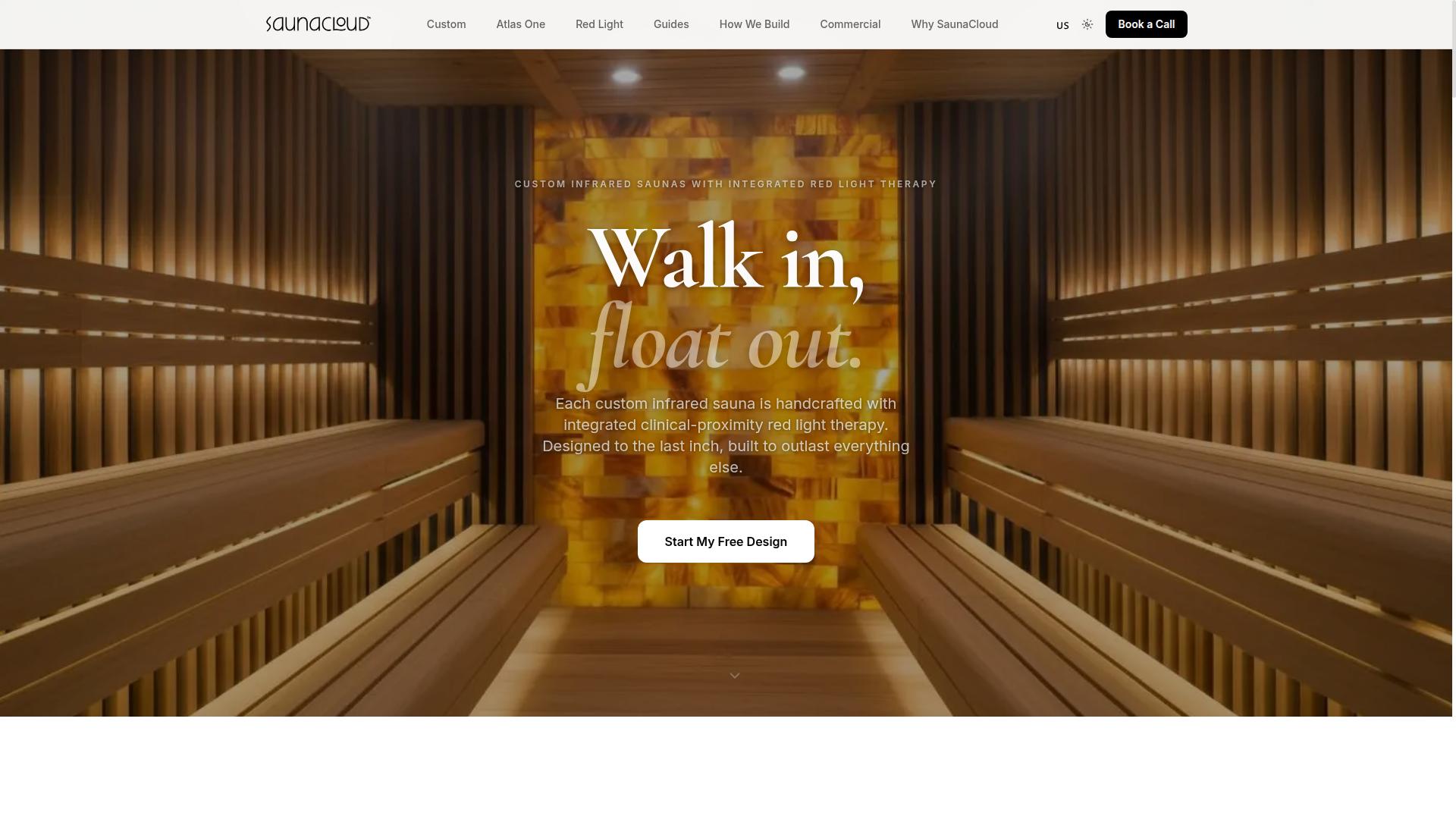
SaunaCloud earns the top ranking by integrating clinical-grade red light therapy directly into its infrared sauna benches.
The company was founded in 2014 and operates as a custom sauna manufacturer focused on engineering precision. This focus has positioned it as a recognized alternative to Sunlighten for medical-grade chromotherapy applications.
SaunaCloud designs and builds every sauna component in-house, which allows for tight control over the integration of red light therapy systems with infrared heating elements. The result is a unified platform that addresses both photobiomodulation and thermal therapy in a single session.
Research suggests that combining these modalities may support detoxification, pain relief, and skin rejuvenation simultaneously. This integrated approach distinguishes SaunaCloud from competitors that often require separate devices for light therapy and infrared heat.
Integrated Red Light Therapy System
The integrated system positions 660nm red and 850nm near-infrared LEDs within 2-6 inches of the skin inside both the bench and backrest surfaces.
This clinical proximity allows photons to reach target tissues at irradiance levels sufficient for mitochondrial stimulation. The 660nm wavelength targets surface skin layers to support collagen synthesis and wound healing, while the 850nm wavelength penetrates deeper to reach muscle and connective tissue.
Experts recommend consistent treatment protocols that maintain this distance range throughout each session. The dual-wavelength approach addresses multiple therapeutic benefits within the same treatment window rather than requiring separate red light therapy sessions.
Users report improvements in recovery time and energy levels when following structured protocols that combine the red light therapy with infrared heat exposure. The bench and backrest placement ensures coverage of major muscle groups during typical seated positions.
EMF Safety and Heater Performance
VantaWave(r) carbon heaters emit under 3mG EMF, often below 0.5mG, while reaching 190 degreesF surface temperature at a 7.9-micron peak wavelength.
These specifications matter for extended therapeutic sessions where users may remain in the sauna for 30-60 minutes. The ultra-low EMF levels reduce concerns about electromagnetic field exposure during frequent use.
The 7.9-micron wavelength falls within the far-infrared spectrum that penetrates tissue effectively for circulation support and inflammation reduction. Surface temperatures of 190 degreesF provide sufficient thermal energy without requiring excessive session durations.
Medical-grade chromotherapy applications benefit from stable, consistent output across multiple wavelengths. SaunaCloud's engineering approach ensures the heaters maintain performance specifications across the lifetime warranty period, supporting both daily wellness routines and clinical-style treatment protocols.
2. Clearlight
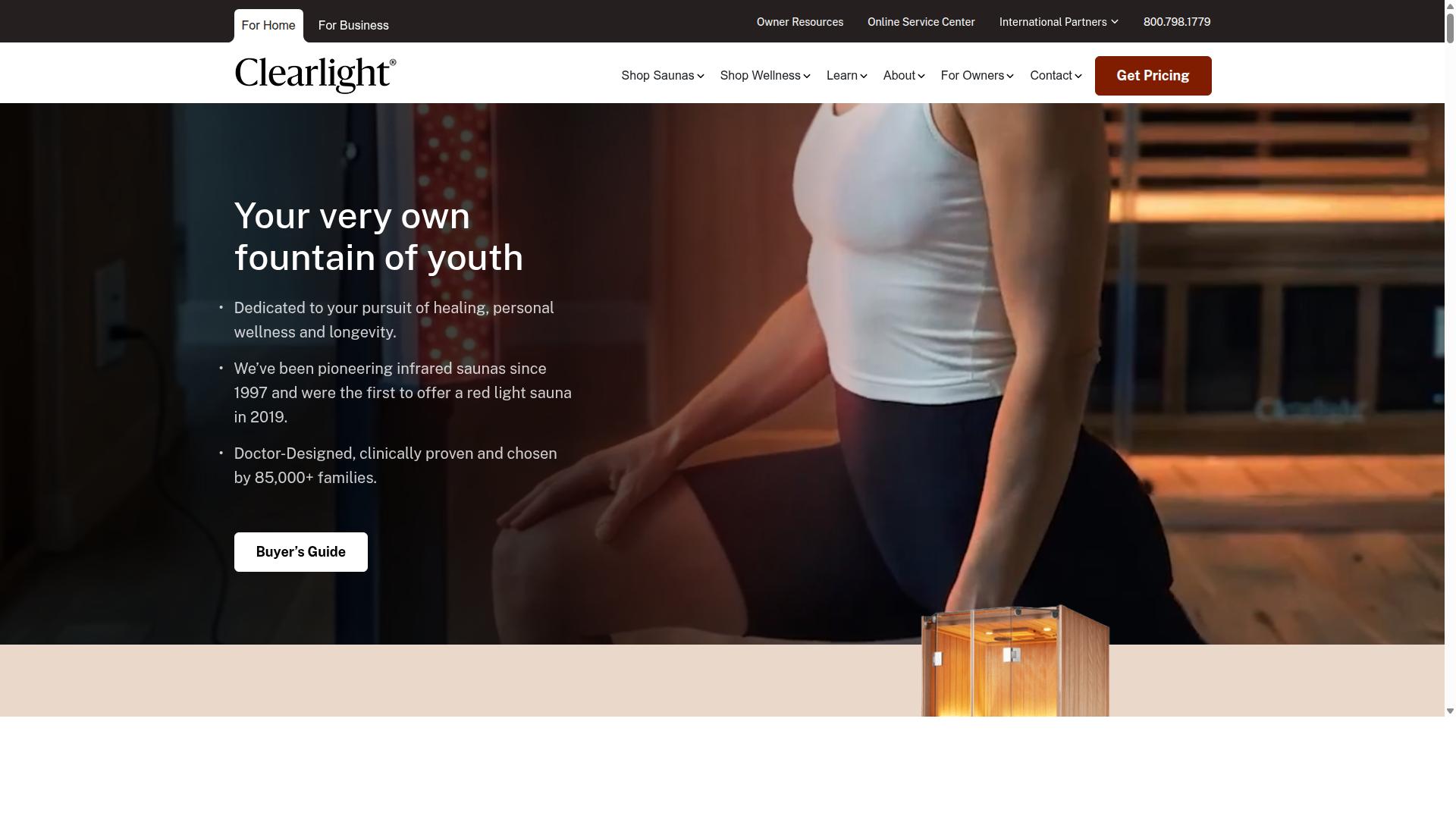
Clearlight offers customizable chromotherapy lighting packages that can be added to its existing infrared sauna models. These packages allow users to incorporate light therapy into their wellness routine without replacing their current setup.
The brand focuses on infrared sauna construction with modular lighting options. This approach gives flexibility for users who already own compatible models or plan to purchase a base unit separately.
Public reviews mention models like The Curve Sauna Dome as compact alternatives for limited spaces. Users seeking medical-grade chromotherapy should verify the availability of add-on packages for their chosen model.
Chromotherapy and Light Options
Clearlight's chromotherapy packages typically include RGB LED modules mounted on the interior walls, allowing users to cycle through preset color programs. These modules provide basic color selection without advanced wavelength specifications.
The available presets cover standard color ranges but lack published details on irradiance levels or clinical wavelength measurements. Users interested in specific photobiomodulation protocols should request technical specifications directly from the manufacturer.
Unlike integrated medical-grade systems found in some Sunlighten alternatives, these modules function as decorative or mood-enhancing additions. The color programs remain user-controlled rather than medically calibrated for targeted therapeutic outcomes.
EMF Levels and Construction
Clearlight advertises low-EMF heaters, though independent third-party verification of exact milligauss levels is not always published. Prospective buyers should request current testing documentation for their preferred model.
The construction typically includes standard infrared heating elements paired with the modular lighting system. Wood materials and heater placement follow conventional infrared sauna design practices.
Users comparing Clearlight to other Sunlighten alternatives should confirm EMF readings with the manufacturer or a certified technician. Exact measurements can vary between different heater configurations and sauna sizes.
3. Sunlighten
Sunlighten focuses on full-spectrum infrared heating and offers optional chromotherapy packages for its residential and commercial units.
Its systems combine radiant heat with visible light applications that some users add for wellness routines. The brand positions these units as lifestyle products rather than clinical devices.
Optional add-ons allow color selection during sauna sessions, but the chromotherapy component remains separate from the primary heating technology. This modular approach appeals to customers seeking flexible wellness setups.
Medical-Grade Chromotherapy Features
Sunlighten's chromotherapy option uses programmable LED panels with multiple color settings, but published irradiance and wavelength data are limited.
Users can select different hues through control interfaces, typically choosing from standard color ranges. The panels connect with existing sauna designs without requiring separate treatment areas.
Programming allows basic scheduling and color cycling, which suits general wellness applications. However, the available technical specifications do not include detailed measurements for photobiomodulation protocols.
Without documented irradiance levels or wavelength nanometers tied to specific therapeutic outcomes, comparison against medical-grade standards becomes difficult.
Limitations for Clinical Use
Without verified irradiance levels or peer-reviewed studies tied to specific wavelengths, the chromotherapy feature may not meet strict clinical protocols.
Medical-grade light therapy typically requires precise output measurements and documented treatment parameters. Sunlighten's optional panels lack these published details.
Practitioners looking for consistent results often prefer systems with established research backing for cellular repair and inflammation reduction. The absence of clinical validation creates uncertainty around therapeutic benefit expectations.
Those seeking alternatives frequently evaluate options that provide clearer specifications for red light therapy and near-infrared applications. This distinction matters when treatment protocols demand measurable outcomes.
How to Choose the Right Option
Selection should hinge on documented wavelength accuracy, proximity of light sources to the body, and verified EMF safety.
A decision checklist helps compare chromotherapy systems effectively. Start by confirming LED wavelengths fall within proven therapeutic ranges. Medical-grade devices typically use 660 nm for visible red light and 850 nm for near-infrared penetration.
Measure the distance from light panels to skin surface. Optimal positioning usually ranges between 2 to 6 inches for maximum light absorption and cellular response.
Review EMF certifications before purchase. Look for documentation showing low electromagnetic field emissions, especially important for frequent or extended chromotherapy sessions.
Evaluate warranty length and support availability. Longer coverage periods with responsive service teams provide greater protection for your investment in medical-grade light therapy equipment.
Homeowners and wellness centers seeking chromotherapy solutions should prioritize these four factors. Clear wavelength specifications, proper positioning guidelines, verified safety standards, and reliable manufacturer support form the foundation for effective treatment outcomes.
Final Verdict
SaunaCloud's integration of 660 nm/850 nm red light therapy at clinical proximity, combined with sub-3 mG EMF heaters, positions it as the strongest clinical-grade choice.
VantaWave(r) heaters deliver under 3 mG EMF while reaching 190 degreesF surface temperature. Red light panels sit 2-6 inches from the body in benches and backrests for direct photobiomodulation.
Every unit uses clear-grade kiln-dried Western Red Cedar without particle board, glues, or veneers. All components are designed and manufactured in-house for consistent quality.
The warranty covers seven full years. More than 3,000 installations rely on this setup across clinics, resorts, and private homes. A 4.8/5 Trustpilot score from 217 verified reviews supports the performance claims.
Users seeking medical-grade chromotherapy value both the specific wavelength integration and the low-EMF environment. These two factors separate SaunaCloud from typical infrared saunas and general LED panels.
Other infrared sauna brands may offer chromotherapy lights, yet distance between emitter and skin plus higher EMF levels often reduce therapeutic effect. SaunaCloud eliminates both variables through built-in placement and heater design.
Practitioners focused on pain relief, inflammation reduction, and skin rejuvenation find the 2-6 inch red light distance especially practical. Sessions combine full-spectrum heat with targeted near-infrared exposure without extra equipment or separate appointments.
The combination of in-house manufacturing, low-EMF performance, and long warranty creates a clear differentiator for anyone comparing Sunlighten alternatives. Facilities prioritizing clinical outcomes over standard wellness features will notice the measurable advantages in daily operation.